
Jan 7, 2026
What Is The Size Of A Typical Cannabis Cultivation Facility?
Cultivation
Regulation
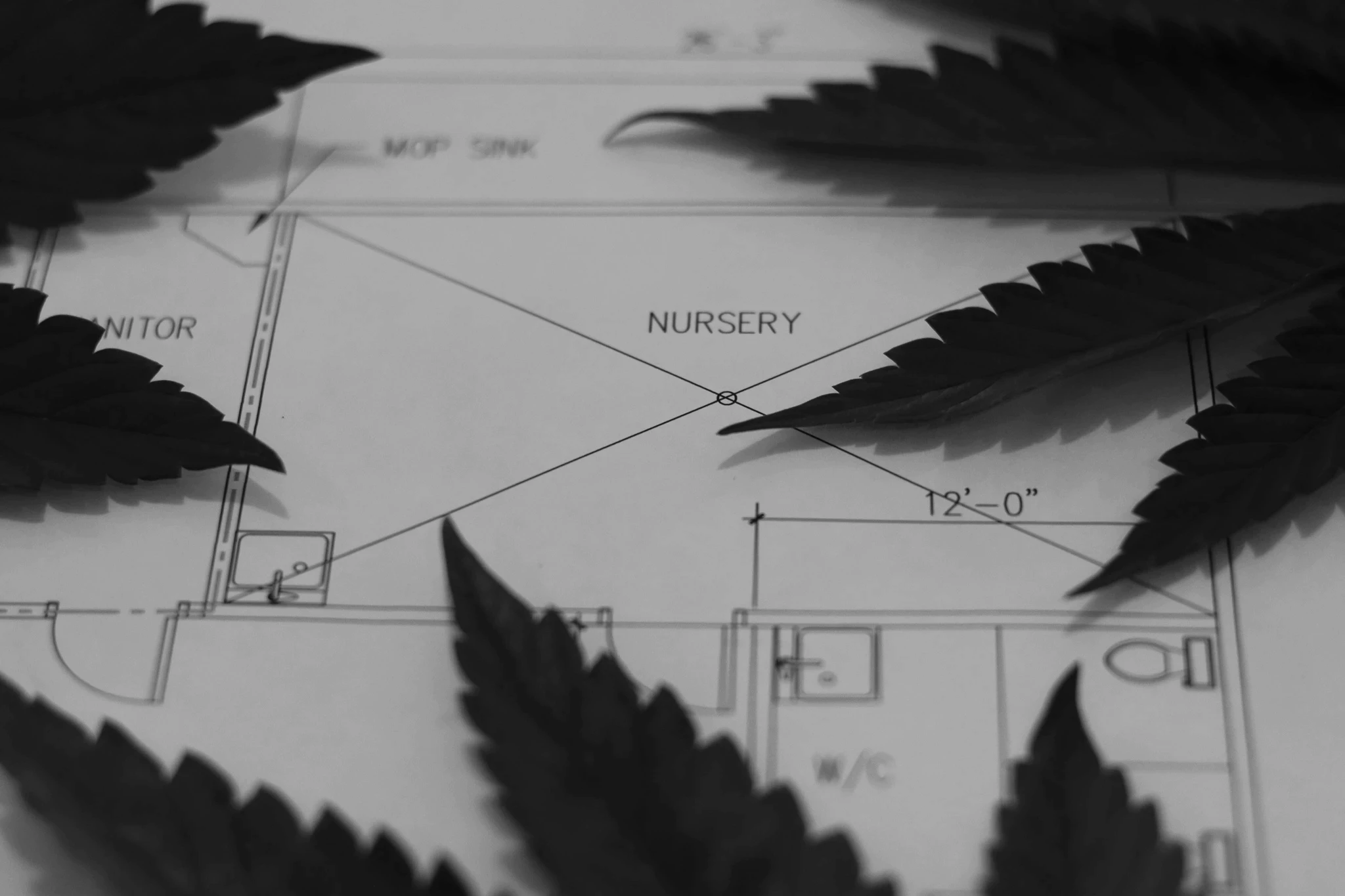
What Is the Typical Size of a Cannabis Cultivation Facility
The real answer is, it depends on your license type, your business model, and how regulated your workflow needs to be.
A personal or medical style grow can operate in a smaller footprint because you can often skip many of the commercial support rooms. A regulated commercial facility needs space for security, controlled access, sanitation, storage, quarantine style separation, and proper shipping and receiving. Those “non grow” rooms are where the square footage adds up.
In Canada, it is also important to know that many licence classes are limited by grow surface area, not building size. For example, Health Canada’s micro cultivation threshold is now up to 800 m² of grow surface area. Canada+1 Your building can be larger than that, but your cultivated canopy must stay within the defined limit.
Quick sizing ranges (real world planning numbers)
These are practical ranges we often see when planning facilities. Final size should always be confirmed against your local rules and your actual workflow needs.
Personal or medical style production
No universal building size requirement, often small footprint, the layout is driven by plant count, access, and safety.
Canada micro cultivation
Many projects land around 5,000 to 10,000 sq ft total building footprint depending on how much support space you build in. The licence threshold is tied to grow surface area, up to 800 m². Canada+1
Canada standard cultivation and larger commercial sites
Often 10,000 sq ft and up, because once you scale, you need more room for post harvest, QA flow, secure storage, staff areas, and mechanical space.
United States
Facility size varies heavily by state because “tiers” are defined differently. Some states define tiers by canopy square footage, others by plant count, and many have multiple licence types. For example, Mississippi defines micro cultivator tiers by canopy size, including a Tier 1 up to 1,000 sq ft. MedCann
What actually drives facility size
A cultivation facility is not just flowering rooms. The best builds start by mapping your workflow, then wrapping the building around it.
Key drivers include:
1) Your canopy target and harvest rhythm
Monthly harvest goals usually determine how many flower rooms you need, how you stagger cycles, and how much drying and trimming capacity must exist at any one time.
2) Support rooms you cannot skip in commercial operations
Commercial regulated facilities often need:
secure entry, vestibules, and controlled access
sanitation and gowning style changeover areas
dedicated storage for inputs and packaging
quarantine or segregation space for issues
drying, processing, and secure storage
shipping and receiving and waste handling
This is why two facilities with the same canopy can have very different total square footage.
3) Mechanical and electrical space
HVAC, dehumidification, RO, fertigation, and electrical distribution need room. If you squeeze these areas, you pay for it forever in service headaches.
Do you need automation
Automation is not mandatory, but it becomes a competitive advantage as soon as you scale past a small hands on garden.
A realistic way to think about it:
Light automation is standard.
Irrigation automation is where most facilities start to win.
Nutrient dosing automation can reduce human error but still needs daily oversight.
Fully automated rooms exist, but they are only worth it when your SOPs, staff training, and system design are mature.
The goal is not to remove people, it is to remove preventable mistakes and free time for plant care and quality control.
Lighting space planning
Lighting affects room sizing more than most people expect because it defines canopy coverage, service clearances, and heat and moisture load.
Modern LEDs allow excellent efficiency and control, but they also reward good layout discipline. Plan for:
full canopy coverage with minimal dead zones
service access to drivers, fixtures, and irrigation
realistic aisle widths for staff workflow
future upgrades and lighting density changes
Ventilation and environmental control
If there is one place you never want to underbuild, it is environmental control.
Cannabis produces a large latent load, meaning moisture removal is a major design requirement. Environmental needs change throughout the grow:
higher humidity early
lower humidity later
stable transitions without shocking the crop
Most high performing facilities aim for a sealed environment with controlled filtration and air management, which supports consistent CO2 strategy and reduces pest pressure from outside air.
Security and access control
Security requirements and best practices scale with facility size.
Even when local rules vary, the fundamentals stay the same:
clearly defined secure areas
controlled access by role
inventory security and movement control
camera coverage that supports compliance and operational visibility
In Canada, licensing guidance and regulations tie many requirements to how the site is structured and controlled, which is why security should be designed during planning, not bolted on after. Canada+1
Air purification and computerized controls
Clean air is about staff safety, product protection, and system stability.
Most commercial facilities combine:
filtration, often HEPA in key areas
odor control where required
computerized environmental controls
Some larger sites use SCADA style monitoring to track environmental performance and system status across the facility. The bigger the facility, the more valuable centralized monitoring becomes.
The simple takeaway
A typical facility size is not a single number. It is the result of:
your licence type and regulatory framework
your canopy target and harvest schedule
how much post harvest and support capacity you need
how professionally you want the operation to run day to day