
Mar 6, 2022
What Every Cannabis Grower Should Know About Hydroponics
Hydroponics
Grow Systems
Cultivation
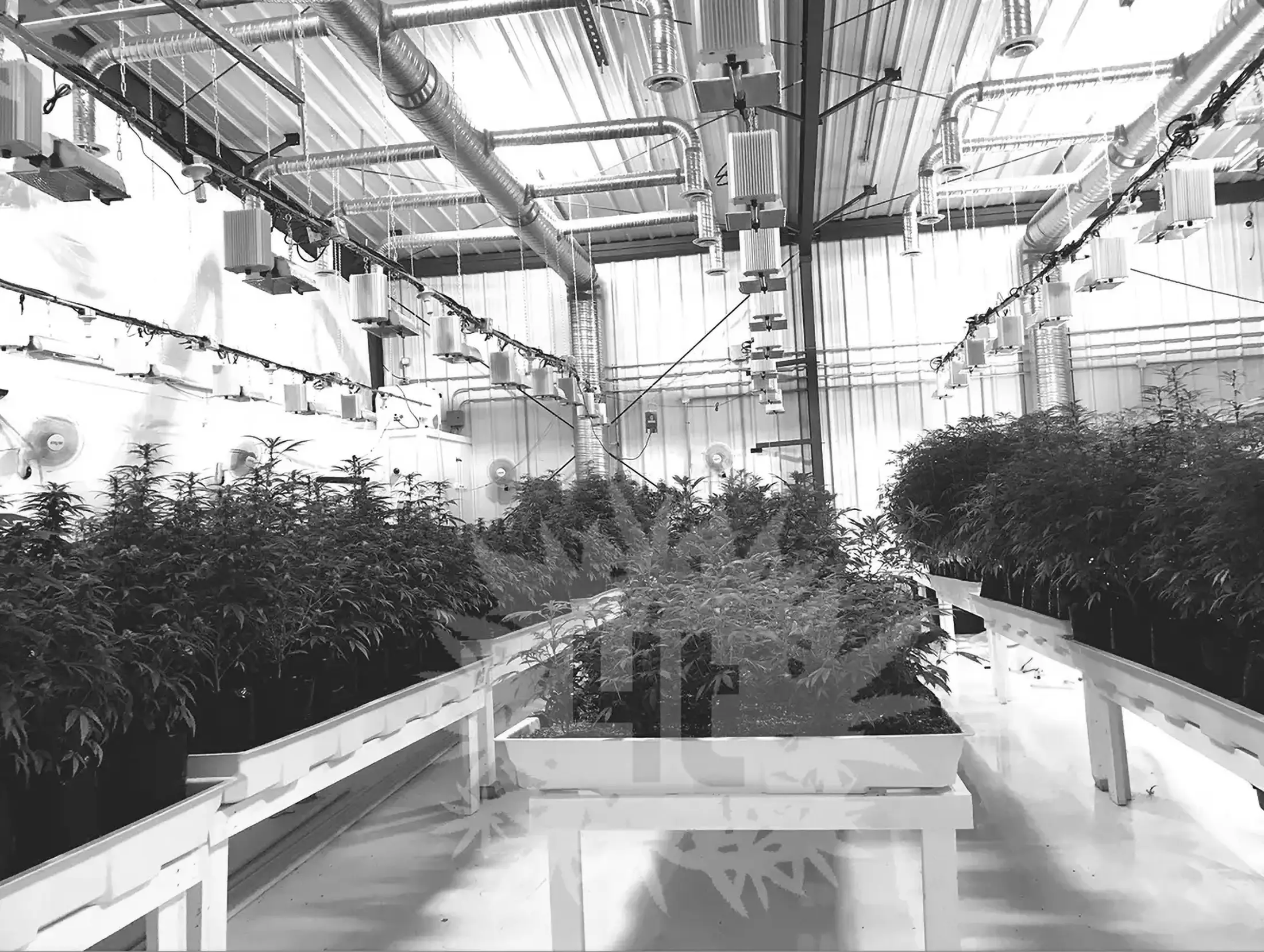
What Every Cannabis Grower Should Know About Hydroponics
Hydroponics has become one of the most common cultivation methods in professional indoor cannabis for a simple reason: it gives you control.
When you control the root zone, you control consistency. And in a regulated, competitive market, consistency is everything, from yield and quality to scheduling and labor planning.
Hydroponics can help you achieve:
cleaner, more repeatable crop steering
faster growth when the environment is dialed
fewer pest and pathogen issues compared to soil heavy approaches
easier automation and scaling
more predictable inputs, outputs, and harvest timing
Whether you are just getting into hydroponics or you are refining an existing facility, here is a practical 4trees overview of the systems, the tradeoffs, and what actually matters.
Hydroponics basics
What hydroponics really means
Hydroponics is simply growing plants with nutrients delivered through water, usually with either:
a neutral medium that supports the plant but does not feed it
or no medium at all, with roots directly exposed to the solution
Where people get tripped up is thinking hydroponics is one system. It is a family of systems, and the best one depends on your goals, budget, plant count, and how you want to run your operation.
The most common hydroponic methods for cannabis
Most commercial cannabis hydroponics are active systems, meaning pumps and timers move water and nutrients automatically. Active systems are popular because they reduce labor and keep feeding consistent, but they also require good design and monitoring.
Below are three of the most common setups.
1) Drip rockwool (drain to waste)
Drip rockwool is one of the most common starting points for commercial grows because it is relatively simple, scalable, and forgiving.
In this method:
plants root into rockwool cubes and slabs
nutrient solution is delivered via drip irrigation
runoff exits the medium and is not reused
It is considered “hydroponics” because the plant is fed through solution and the medium is inert, but it is “drain to waste” because you discard runoff rather than recirculate it.
Features of drip rockwool
easy transplanting and consistent starts
less complex equipment than recirculating systems
scalable and flexible for plant spacing changes
strong crop turnaround when dialed
easy to automate irrigation
The tradeoff
Drain to waste typically uses more water and nutrients over time, and you have ongoing media costs. Many facilities still choose it because it is operationally straightforward and the risk profile is comfortable.
2) Nutrient Film Technique (NFT)
NFT uses a shallow stream of nutrient solution flowing past plant roots through channels or piping. The system typically recirculates, and the root zone receives constant access to nutrients and oxygen.
NFT can be extremely effective when designed and maintained properly, and it is often associated with vertical or tiered systems because channels can stack efficiently.
Features of NFT
fast growth when flow and oxygen are correct
reusable medium or minimal medium use
scalable, can be built in tiered layouts
efficient on water and nutrients when recirculating
strong for controlled, repeatable feeding
The tradeoff
NFT is less forgiving if flow is interrupted or if channels clog. It rewards clean maintenance, good filtration, and well planned redundancy.
3) Deep Water Culture (DWC and RDWC)
Deep water culture is one of the most powerful hydro styles when engineered properly.
In DWC:
plants sit in net pots
roots hang into oxygenated nutrient solution
the system is heavily aerated and often recirculated (RDWC)
DWC is known for explosive growth because roots have constant access to water, nutrients, and oxygen.
Features of DWC and RDWC
extremely aggressive growth potential
can produce large plants and heavy canopies
often lower ongoing media costs
easier flushing and reservoir control
very efficient when dialed and recirculating
The tradeoff
The root zone is entirely dependent on system health. Water temperature, dissolved oxygen, sanitation, and circulation become critical. A well designed system can be stable and easy, but a poorly planned one can spiral fast.
What actually matters most in hydroponics
The five fundamentals
No matter which system you choose, hydro success comes from fundamentals, not hype.
Root zone oxygen
Dissolved oxygen and proper root aeration are key drivers of health, nutrient uptake, and resilience.Water temperature
Warm water holds less oxygen and increases risk. Temperature strategy matters more than most growers expect.Sanitation and biofilm control
Dirty systems create instability. Clean systems grow consistent crops.Reliable irrigation design and redundancy
If pumps or lines fail, plants can suffer quickly. Build for serviceability and backup.Environmental control
Hydroponics amplifies whatever your room is doing. If HVAC and dehumidification are weak, the system cannot save you.
4trees experience with hydroponics
4trees Cannabis Building specializes in hydroponic facility planning and grow system engineering, with decades of real world experience across multiple styles and facility types.
We do not push one method for every client. We design around:
your building and available utilities
your plant count and canopy goals
your staffing and workflow
your budget and long term operating costs
your preferred grow style and market objectives
If you want a hydroponics plan that is built for your space and designed to run smoothly, reach out and we will help you choose the right system and engineer it properly from the start.