
May 12, 2023
Brief Rundown of the Best Hydroponic Suppliers
Hydroponics
Brief Rundown of the Best Hydroponic Suppliers
The 4trees guide to choosing the right hydroponics system supplier
Choosing a hydroponics system is not just about what looks cool in a catalog. It is about matching your facility goals to the reality of your budget, water access, room design, labor plan, and the genetics you want to run.
At 4trees, we plan systems around performance and repeatability. Below is a quick rundown of suppliers we respect, plus the two most common paths we see growers take: pre built systems or a dialed DIY build.
Note: These mentions are based on industry experience and are not endorsements or paid placements.
What to consider before picking a supplier
Before you choose a brand, get clear on these basics:
Canopy size and plant count
Budget for capex today vs operating costs later
Water temperature control and dissolved oxygen targets
Local serviceability and parts availability
Your tolerance for daily adjustment and hands on maintenance
Strain behavior and your target production style
The best system is the one you can run cleanly, consistently, and profitably.
The OGs
Great building blocks, even if you are not buying a full system
General Hydroponics
A legacy brand with a long track record. Many growers know them for nutrients, but they have also offered small scale system components and home style setups over the years. If you are building custom, they are a familiar baseline for products that are widely available.
Botanicare
Botanicare has been a staple in hydro for decades and is a strong option for facility hardware like benching, trays, and grow accessories. We have implemented many projects using their rolling bench and tray style solutions. Their nutrient line has also been widely used across the industry.
Suppliers offering pre built hydroponic systems
If you want a proven platform and faster setup
Hydra Unlimited (DWC systems)
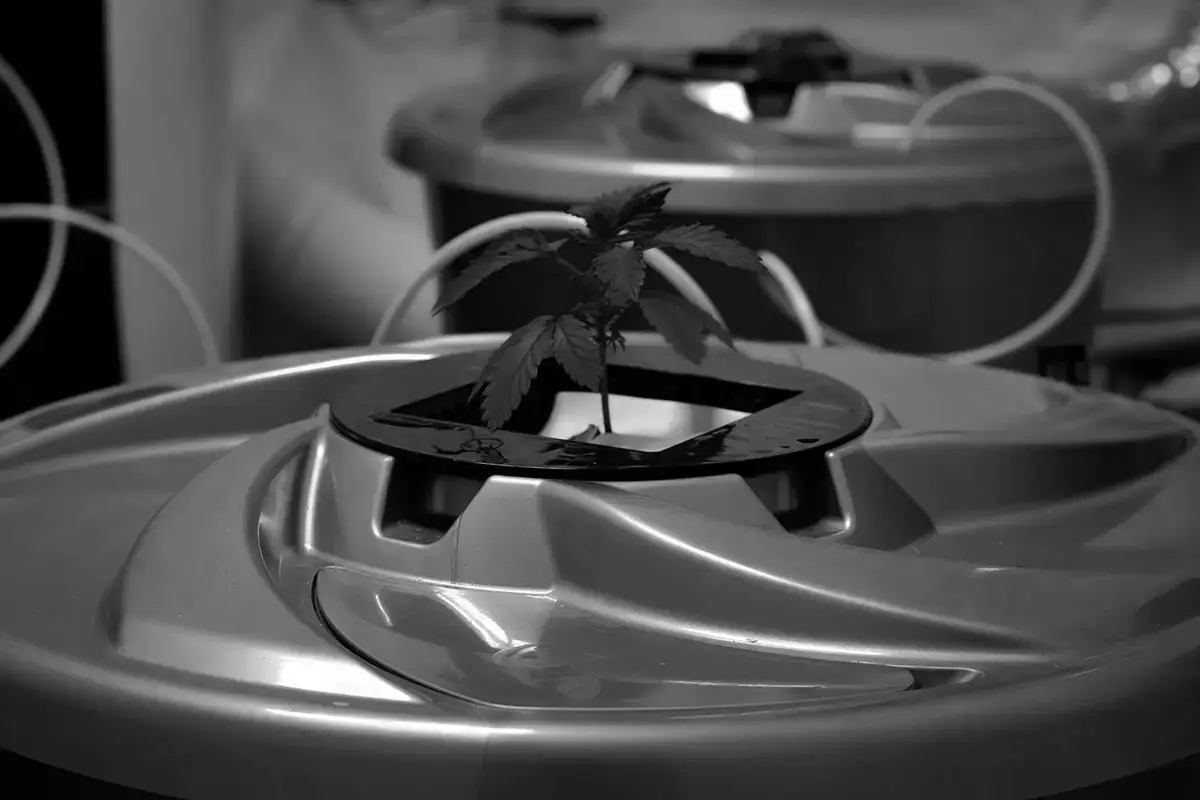
Hydra is well known for deep water culture systems that can be configured for a wide range of room sizes. Their approach is scalable and clean, and DWC remains a favorite at 4trees when it is engineered properly. The reason is simple: rapid growth, strong root zone performance, and straightforward day to day operation when the room is built to support it.
Hydra also uses reusable media options that can be a nice fit for DWC, reducing the constant churn of certain traditional media types.
Current Culture H2O
Current Culture is a recognized name in recirculating DWC, especially for their Under Current style layouts. These systems are popular for a reason, they can perform extremely well when installed correctly.
The tradeoff with any proprietary ecosystem is parts and standardization. If a system relies on brand specific components, plan ahead for supply chain, spares, and service. If you have ever owned a fancy import car, you already understand the vibe.
Option 1
DIY deep water culture systems
Not every project calls for a pre built system. In many cases, building a DWC system from scratch is the smart play.
Why DIY can win:
Parts are locally sourced and easy to replace
You avoid being locked into one manufacturer’s component list
You can customize for your room dimensions, workflow, and SOPs
You control the details that actually matter
For DWC to perform, you must design around the parameters that make or break it:
dissolved oxygen
water temperature stability
circulation and turnover rates
filtration and sanitation approach
redundancy for pumps and critical components
When 4trees designs a DIY DWC system, we build these requirements into the plan so the system is not just cheaper, it is engineered to run.
Option 2
DIY rockwool drain to waste systems
Rockwool drain to waste is one of the easiest automated hydroponic approaches to start with. It is also one of the most forgiving for growers transitioning from soil, because the feeding logic feels familiar.
Why it is popular:
lower initial build cost compared to full recirculating systems
simpler plumbing and fewer failure points
less dependency on aggressive water chilling in many builds
straightforward pH and EC management in the feed tank
The tradeoff is ongoing media cost. With drain to waste, you are purchasing cubes and slabs regularly. In DWC, your media and root support can be reused depending on the design.
Drain to waste can also mean a little more hands on labor and slightly different growth performance depending on how the room is tuned, but it remains a very strong option when you want predictability and a cleaner startup path.
Our take at 4trees
We have spent decades planning and refining both drain to waste rockwool systems and deep water culture methods. The right choice depends on your facility goals, your climate strategy, your labor plan, and how hands on you want to be with daily tuning.
If you are deciding between pre built and DIY, or between DWC and drain to waste, we can review your layout and give you a clear recommendation based on real world operation, not theory.