
Dec 17, 2022
RDWC vs Drain to Waste: Which Grow System Uses Less Water and Nutrients
Hydroponics
Cultivation
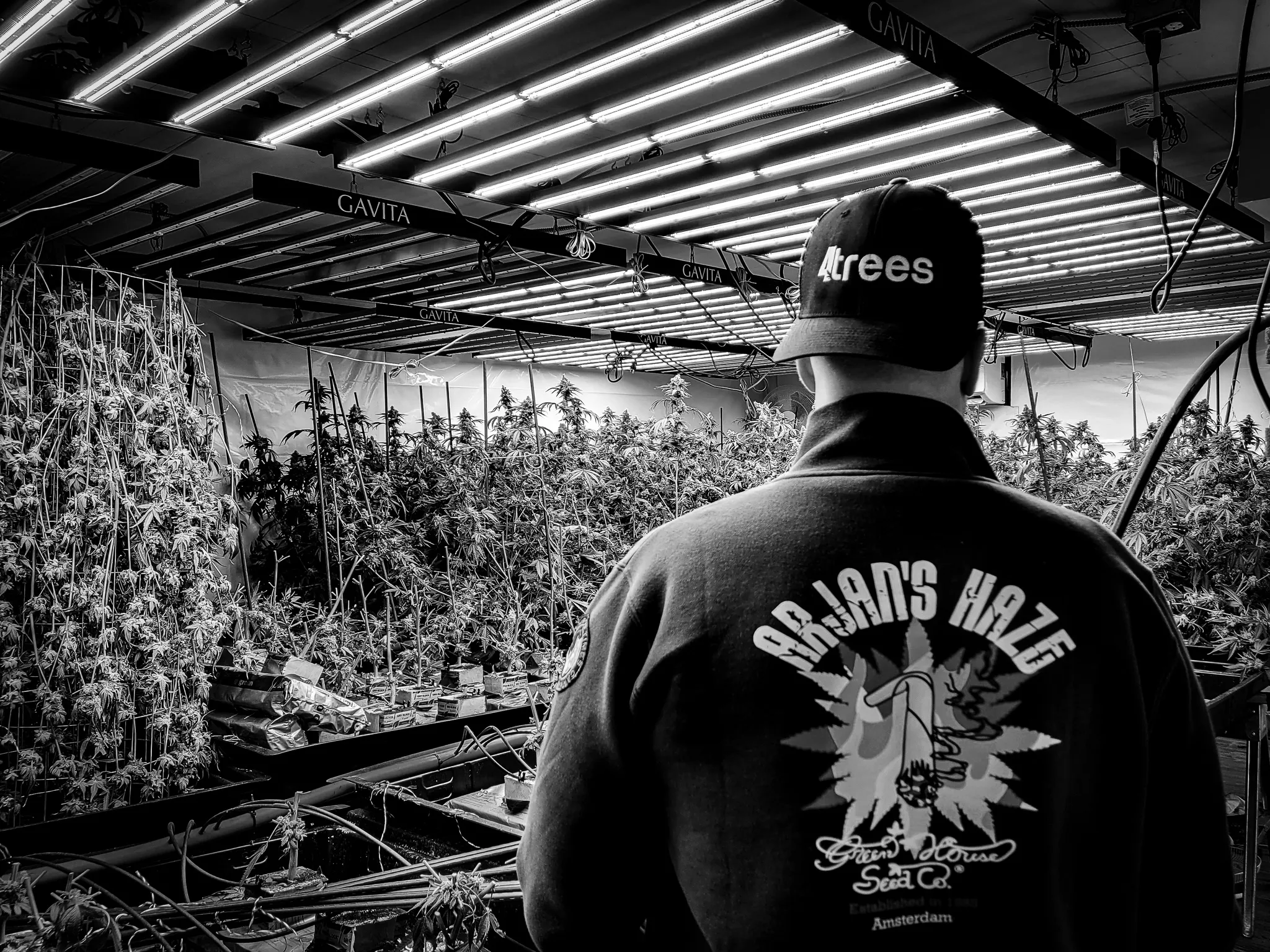
Water Savings Between Recirculating Hydroponics and Drain to Waste
Water use is not just an environmental concern. In cultivation, water consumption directly affects nutrient spend, labor, and long term operating costs.
If you are planning a new facility, or trying to tighten margins in an existing one, your grow system choice is one of the biggest levers you can pull.
This guide breaks down the real differences in water use between drain to waste and recirculating hydroponics, and how to choose the right approach for your site.
The two main system families
Drain to waste
Drain to waste systems include soil, coco, and rockwool styles where plants are fed and a portion of solution exits the root zone as runoff. That runoff is typically not reused because it is exposed to light, tables, and the grow environment, which increases contamination risk and makes consistency difficult.
Drain to waste is popular because it is:
cheaper to start
simpler to understand
forgiving for new growers
flexible for spacing and crop steering
But it generally uses more water and nutrients over time.
Recirculating hydroponics
Recirculating systems reuse nutrient solution inside a closed loop. Examples include RDWC, NFT, and other closed irrigation designs where solution returns to a reservoir, is mixed, and circulated again.
Recirculating is popular because it can be:
extremely efficient on water and nutrients
stable when designed properly
lower ongoing consumable costs
powerful for growth rates and system control
It usually costs more up front and requires tighter discipline around cleanliness, monitoring, and water temperature management.
So which one uses less water
In most facilities, a well designed recirculating system can reduce water and nutrient consumption dramatically compared to drain to waste.
A practical way to explain it:
Drain to waste intentionally throws away a portion of feed every irrigation event
Recirculating systems attempt to keep that value in the loop
Realistically, with proper filtration, sanitation practices, and stable reservoir management, recirculating hydroponics can often reduce water and nutrient use by:
roughly 60 percent to 90 percent
compared to traditional drain to waste strategies.
The exact savings depends on:
irrigation frequency and runoff percentage
media type and dryback strategy
reservoir management
leak prevention and system maintenance
plant size and environmental load
sanitation and biofilm control
The cost connection
Why water savings equals nutrient savings
Every gallon of feed water is carrying money.
Even a lean nutrient program usually includes:
a base nutrient
at least one additive or calcium magnesium support depending on water quality
pH adjustment
Some programs include multiple additives, which increases cost quickly.
That is why the grow system choice has a direct impact on monthly soft costs. Facilities running drain to waste at scale can see very high fertigation spend, especially when runoff percentage is high and canopy is aggressive.
Recirculating systems tend to shift costs from nutrients into:
better design
better monitoring
better filtration and sanitation discipline
But once running properly, they can be much more efficient.
Why everyone does not run recirculating systems
Recirculating can intimidate people because mistakes can compound faster if the loop is not managed properly. If a problem enters the reservoir, it can affect many plants, quickly.
That is why recirculating systems require:
clean system design, out of light and serviceable
strong dissolved oxygen and circulation planning
stable water temperature strategy
proper filtration
clear SOPs for sanitation, mixing, and monitoring
When those are in place, recirculating becomes less scary and often easier long term.
Recirculating hydroponics
Positives
major reductions in water and nutrient usage over time
less runoff management and less waste handling
consistent feeding environment when dialed
can support explosive growth and strong plant health
Negatives
higher upfront cost
requires discipline, monitoring, and cleanliness
water temperature and oxygen management become critical
more planning is required to do it right
Drain to waste
Positives
lower startup cost
easier learning curve
simple to troubleshoot
flexible for many cultivation styles
Negatives
higher ongoing water and nutrient usage
more runoff management
media replacement costs
more waste handling and disposal planning
Recirculating water culture
The common options
The most common recirculating styles used in cannabis include:
RDWC and DWC
NFT
recirculating drip to pots with proper return and sanitation
More advanced niche systems exist too, but the most important point is not the trend. It is whether your team and facility can support the system properly.
Planning your system
Why water availability can make the decision for you
In many builds, water access is the deciding factor.
If you are on:
well water with limited production
a constrained municipal supply
an RO system that reduces daily available volume
Then a recirculating strategy can become the difference between a viable facility and a constant bottleneck.
The best practice is to plan your grow system early and run basic math on:
expected daily water demand by room
runoff percentages if drain to waste
reservoir size and turnover for recirculating
RO waste rates and storage needs
Not a fan of math? That is what we are here for.
Want to compare your options properly
At 4trees, we design grow systems around your budget, water access, building constraints, and production goals. If you are deciding between drain to waste and recirculating, we can review your site and give you a clear recommendation and a realistic cost model.