
Mar 15, 2023
How to Properly Oxygenate And Not Fry Your Roots
Cultivation
Techniques
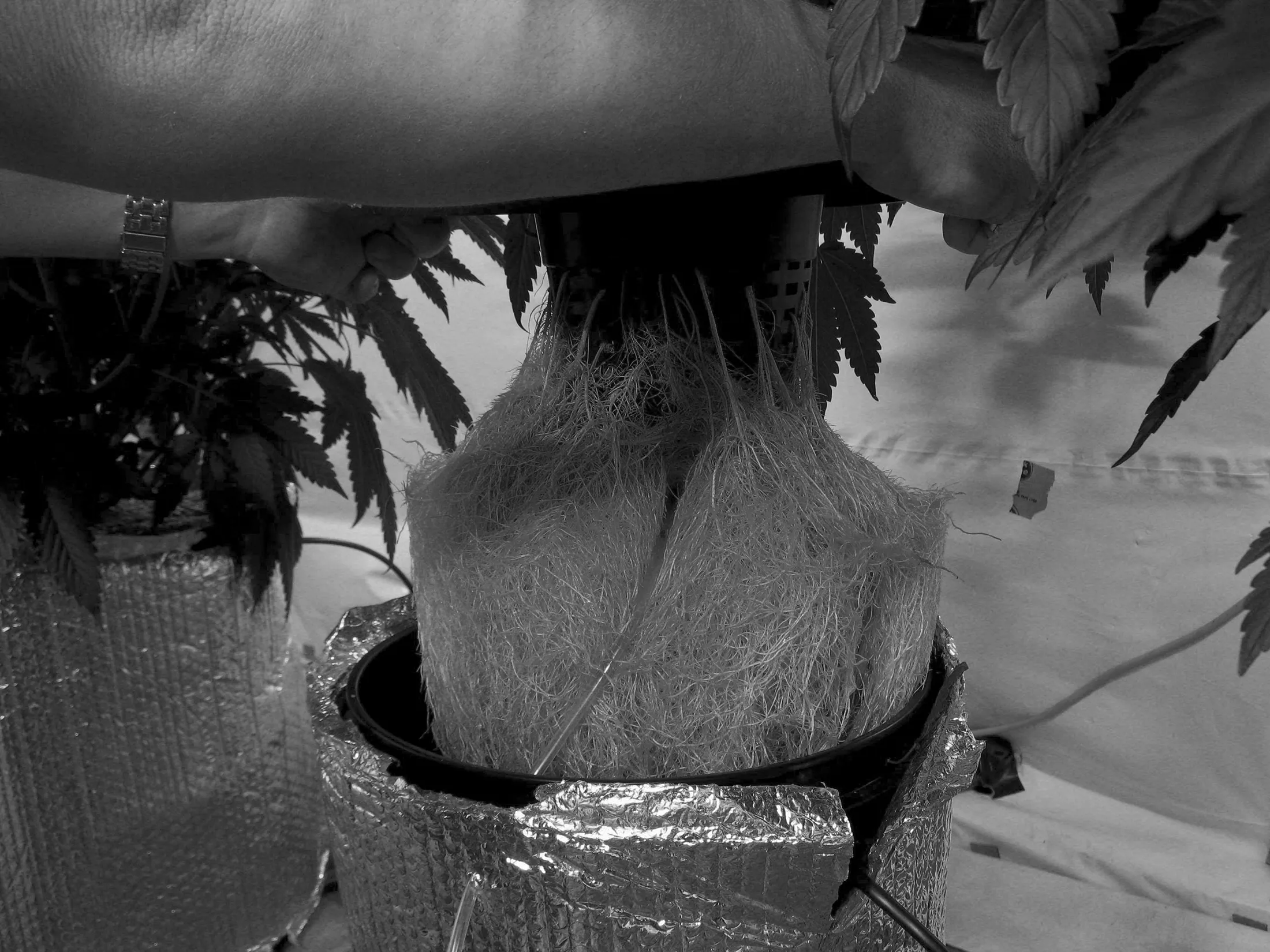
How to Properly Oxygenate and Not Fry Your Roots
A lot of growers start in soil or coco. That is a great place to learn plant behavior, but it also creates a common problem: techniques that make sense in soil based growing become “mainstream advice” and get applied everywhere.
The biggest one is aggressive dry backs.
Dry backs can be a useful tool in certain contexts, but when growers push them too far, they end up doing the opposite of what they wanted. Instead of building a stronger root zone, they damage it. And in media like rockwool or in recirculating systems like DWC and aeroponics, the wrong dry back approach can set a crop back fast.
This article breaks down how to increase root zone oxygen properly, without stressing the plant into failure.
Higher oxygen can mean higher yields
But starving roots is not the way
Yes, higher oxygen availability in the root zone generally supports faster growth, stronger nutrient uptake, and fewer issues like root pathogens.
Where people go wrong is trying to force oxygen by drying the medium out too aggressively.
Roots are covered in fine absorption hairs that do most of the real work. When the root zone dries too far, those hairs can die off. Once they are gone, they do not magically come back on the same root. The plant must grow new root tissue to replace that function, which costs time and momentum.
Even in soil or coco, the goal is not to run plants thirsty. It is to balance moisture and air so roots stay active without becoming stagnant.
In rockwool, DWC, aeroponics, and other hydro styles, severe dry backs can cause rapid stress because the system is designed around steady availability of water and oxygen, not swings.
If starving them is not the answer, why does it sometimes look like it works
Many growers notice a short burst of growth after a dry back and assume the drought created stronger roots.
What is often happening is this:
the root zone briefly increases oxygen exposure as water content drops
the plant responds with a stress driven push
then the absorption capacity declines if the root hairs are damaged
the crop becomes harder to steer and more sensitive later
So yes, you may see a response, but it is not always a healthy one. You are trading short term stimulation for longer term root performance.
The better approach
Keep the root zone moist, keep the solution oxygen rich
If your goal is oxygen, focus on dissolved oxygen and root zone conditions, not dehydration.
A more reliable approach is:
keep the root zone consistently moist, not soaked
avoid long stagnant periods in the medium
increase dissolved oxygen in your feed water or recirculating reservoir
control temperature, because warm water holds less oxygen
maintain strong circulation so the system does not stratify
Roots will still explore for water and nutrients when conditions are right. You do not need to punish them to get healthy root development.
What does DO mean
DO stands for dissolved oxygen.
It is the amount of oxygen actually held in your water or nutrient solution.
DO matters because:
roots need oxygen to respire and take up nutrients efficiently
low oxygen encourages root decline and increases pathogen risk
higher oxygen supports a more active, resilient root zone
temperature directly impacts DO, warmer water carries less oxygen
Many growers assume that a little splashing or a tiny air pump is enough. In higher performance rooms, it is usually not.
If you want to take DO seriously, a DO meter is the most direct tool, but even without one, you can dramatically improve outcomes by managing the inputs that control oxygen availability.
How growers accidentally fry their roots
Most root problems come from a few predictable causes:
Over drying the medium and killing absorption hairs
Over soaking and creating stagnant, low oxygen conditions
Warm feed water or warm reservoirs reducing oxygen capacity
Poor circulation leading to dead zones and bio buildup
Dirty systems where organics and biofilm consume oxygen
Overfeeding and chasing EC while the roots are already stressed
The fix is rarely one magic trick. It is usually a small set of consistent practices.
Soil and coco
Why dry backs became popular there
Soil and coco can hold water while still leaving air pockets, but they can also become heavy, compacted, or overly wet depending on the mix and irrigation style.
That is why growers add aeration amendments like perlite and why dry backs became a steering tool.
They do have a place, but the best version of the method is still controlled and intentional, not extreme. A healthy root zone is about oxygen availability, not drought.
Why soil grown flower can taste incredible
It is not because soil is magical
Soil grown flower often does taste excellent, and it is not a myth.
One reason is that soil and coco runs can naturally create mild stress events across the grow. Those stress events can increase certain secondary metabolites like terpenes as the plant responds and protects itself.
But here is the key: stress can be used as a tool, or it can become chaos.
In controlled hydroponics, you can produce extremely high terpene and cannabinoid expression because you can control the environment tightly, then apply intentional steering at the right time, without losing stability. The difference is control.
The takeaway
No matter what system you run, the goal is the same:
high oxygen availability at the root zone, without damaging roots.
Instead of relying on aggressive dry backs, build a root zone that stays active through moisture balance, clean systems, proper temperature control, and oxygen rich feed water.
If you want help dialing this in, we can look at your exact medium and irrigation strategy and give you a clean action plan to improve root health and performance.
Free 30 minute consultation with 4trees
Hop on a call and we will help you understand DO, root zone steering, and how to improve your system without unnecessary stress.