
Aug 25, 2023
How to Grow Cannabis in Coco Coir
Coco
Cultivation
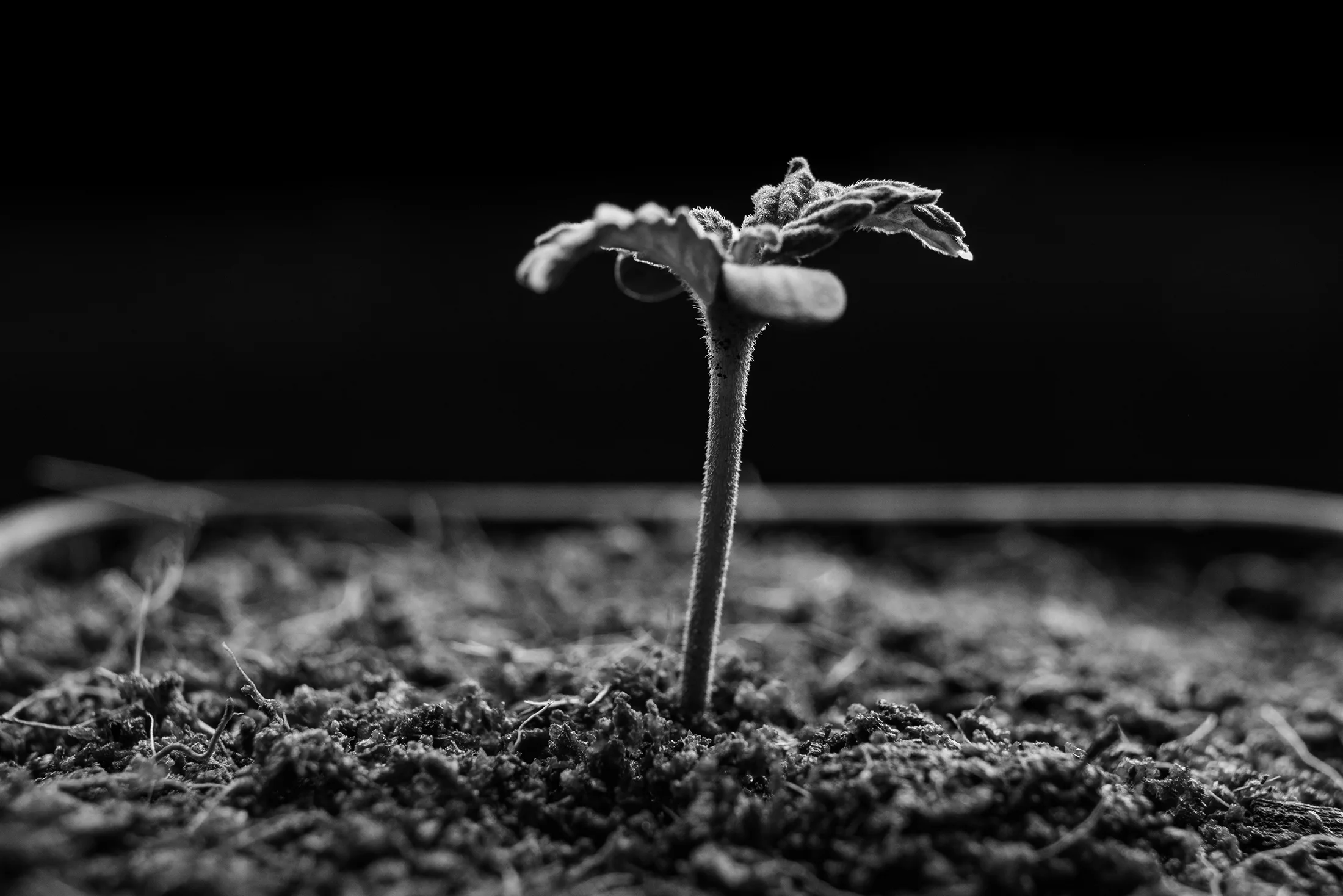
Cultivating Success: A Practical Guide to Growing Cannabis in Coco Coir
Coco coir has earned its reputation as one of the most effective mediums for indoor cannabis cultivation. It offers the clean control of hydroponics with a more forgiving root zone than many fully hydro systems. For many growers, it is the ideal middle ground between soil and advanced hydro.
If you want faster growth, strong root development, and consistent results with a drain to waste workflow, coco is a great choice. The key is understanding one thing: coco behaves like hydro. You feed it, you steer it, and you monitor it.
Why Grow Cannabis in Coco Coir
Coco coir is made from the fibrous husk of coconuts. In cultivation, it is valued because it holds moisture well while still maintaining good air space in the root zone, when properly prepared and watered correctly.
Benefits growers like about coco include:
Strong aeration and root growth
Fast vegetative response and strong nutrient uptake when dialed
Consistent results with drain to waste irrigation
Less mess and variability than many soil blends
Easier transition for soil growers who want more control
Coco is not a “just add water” medium. It is inert, which means your nutrient solution is the entire diet.
Step 1: Choose the Right Coco
Start with high quality coco from a reputable source. The biggest problems in coco often come from poor processing, excess salts, or coco that was not properly buffered.
Look for coco that is:
Washed and low in salts
Buffered, or clearly intended to be buffered by the grower
Consistent in texture, not overly dusty or broken down
Free of debris and overly fine particles
About brand lists
Many growers ask for “best coco brands.” Brands can vary by region and batches can change. The safer approach is to choose any reputable coco that meets the quality markers above.
If you want to list examples in your blog, you can frame them like this:
“Common coco options growers use include Canna Coco, Mother Earth, Botanicare, Cyco, and FoxFarm Coco Loco. Focus on washed and buffered coco with consistent texture.”
That keeps it informative without sounding like a hard endorsement.
Step 2: Understand Buffering and Why It Matters
Coco naturally holds onto calcium and magnesium. If coco is not properly buffered, it can pull calcium and magnesium out of your feed, especially early on. That leads to classic coco issues like pale growth, spotting, and slow development even when the feed looks correct.
Best practice
Use a calcium magnesium supplement throughout the entire run
Choose buffered coco, or buffer it yourself before planting
If you buffer yourself, follow a proven method from your nutrient manufacturer. Keep it simple and consistent.
Step 3: Pre Soak and Prepare Your Coco
Even when coco is advertised as washed, a clean start is still smart.
A solid preparation approach:
Hydrate the coco fully so it expands and evenly wets
Rinse lightly if your runoff EC is high
Pre charge with a light nutrient solution that includes calcium and magnesium
Water quality note
If your starting water has high dissolved solids, it can complicate coco quickly. Many growers prefer reverse osmosis water or low PPM water, then build their feed from a known baseline. If you use tap water, know your starting EC and what is in it.
Step 4: Choose Your Container and Mix
Most indoor coco growers use straight coco or coco with added perlite for extra air space.
Common mixes:
70 percent coco, 30 percent perlite
Straight coco for growers who irrigate frequently and have strong runoff control
Your pot size should match your plant size, room conditions, and irrigation schedule. A common mistake is using a container that stays wet too long, then watering like soil.
Step 5: Feeding in Coco, Think Hydro
Because coco is inert, your plants depend on you for all essential nutrients. This is why coco performs so well. You control everything.
Nutrient management basics
Feed every irrigation once established
Keep your solution consistent
Avoid large swings in strength, pH, and frequency
Track what is happening in runoff to avoid salt buildup
If you are running a drain to waste strategy, the goal is a steady, repeatable input and a controlled amount of runoff.
Step 6: pH and EC Targets
Coco has a sweet spot for nutrient availability. Staying consistent here prevents most “mystery deficiencies.”
General targets used by many successful coco growers:
pH: 5.8 to 6.2
Calcium magnesium: included consistently through the full feed program
EC: scaled by stage, cultivar, and environment
A modern approach to EC is to start lighter than you think, then increase only when the plant clearly asks for it. Overfeeding in coco is common and it is harder to recover from than being slightly under.
Step 7: Irrigation Strategy
This is where coco success is made or broken.
Coco performs best when you:
Irrigate often enough to keep the root zone stable
Allow appropriate dryback, not extreme drought cycles
Achieve consistent runoff so salts do not accumulate
Many growers aim for a meaningful runoff percentage to prevent buildup, especially in flower. The exact number depends on your system, pot size, and environmental load, but the principle stays the same: prevent accumulation through consistency.
If you are hand watering, build a schedule. If you are automated, confirm distribution uniformity and check emitters often.
Beneficial Microbes, Helpful but Not Mandatory
Beneficial microbes can support root health and nutrient cycling, especially in drain to waste setups. They can be a great addition if you are running a compatible program.
Two important notes:
Do not mix biological approaches with harsh sterilizing agents in the same root zone strategy
Keep your reservoir and lines clean, bio inputs require good system hygiene
Microbes are a tool, not a replacement for proper watering and environmental control.
Common Coco Mistakes and Quick Fixes
1. Treating coco like soil
Coco is not soil. It performs best with consistent feeding and controlled runoff.
2. Skipping calcium magnesium
Coco tends to demand consistent calcium and magnesium support.
3. Letting runoff EC climb
High runoff EC usually means salt buildup. Reduce strength, improve runoff strategy, and stabilize irrigation.
4. Overwatering with low oxygen
Coco can still suffocate roots if it stays saturated too long, especially in fine coco or oversized pots. Use good drainage, proper mix, and appropriate frequency.
Coco in Micro Cultivation and Commercial Facilities
Coco is especially useful in micro cultivation and commercial indoor facilities because it is predictable and scalable. It supports repeatable crop cycles, clean workflows, and easy nutrient control when your facility has strong SOPs.
For operators focused on consistent quality, coco pairs well with:
Environmental control and dehumidification planning
Irrigation design that supports uniformity across rooms
Standard operating procedures for mixing, feeding, and monitoring
Final Takeaway
Coco coir is one of the most effective mediums for cannabis cultivation when it is treated like a controlled system. Choose quality coco, buffer correctly, feed consistently, monitor pH and EC, and build a repeatable irrigation strategy.
If you do those basics well, coco can deliver fast growth, strong roots, and high consistency across runs.