
Feb 1, 2022
Choosing LED versus HPS Grow Lights
Grow Lighting
LED
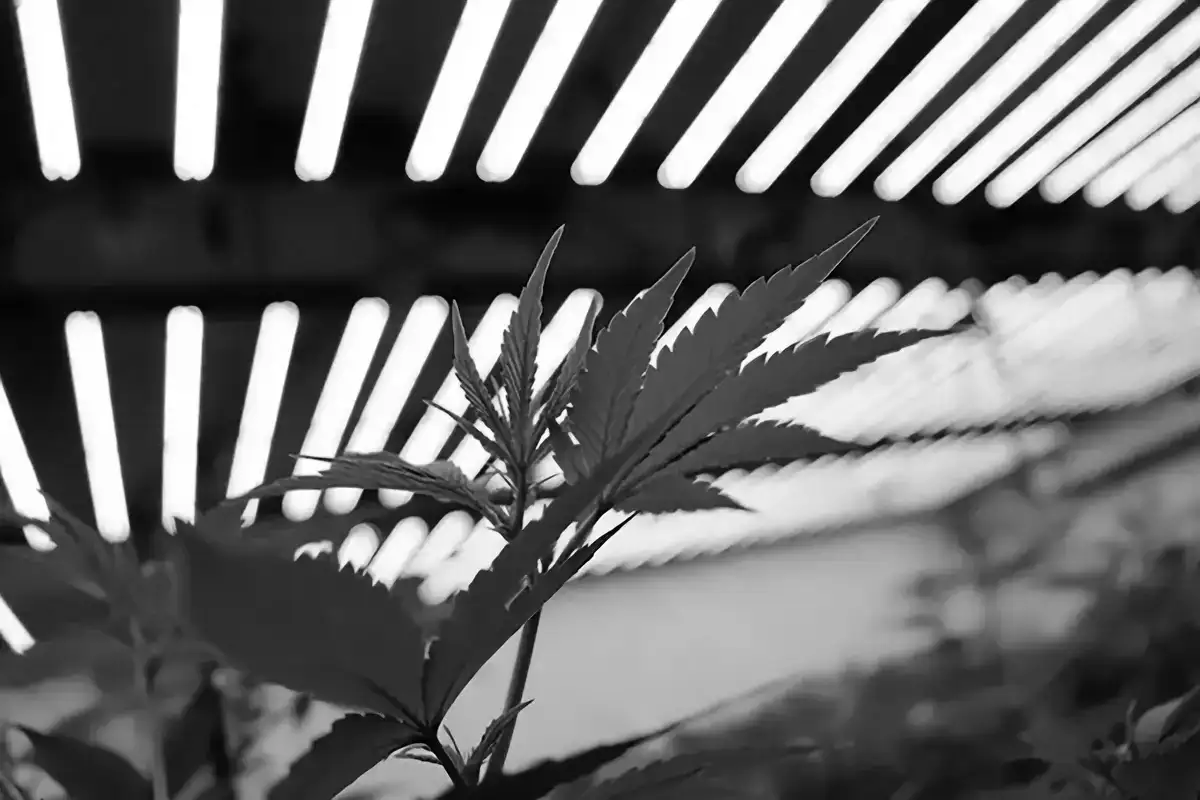
LED vs HPS Grow Lights for Cannabis
Why the Lighting Shift Is Real, and How to Choose the Right Fixture
Old school growers will swear by HPS because it has delivered consistent harvests for decades. The haters will say LED is hype. The truth is simpler: modern commercial LED has earned its place, and in many facilities it is now the smarter long term play.
HPS built its reputation on strong output and dependable results. But LED technology has matured fast, and today’s top fixtures can deliver excellent intensity with better distribution, less radiant heat, and more control over spectrum and dimming. That combination changes everything, especially at commercial scale.
What Actually Matters When Choosing a Grow Light
Brand names come and go. The performance fundamentals do not. When selecting lighting for cannabis, focus on:
1) Output and efficiency
Look at total output (PPF) and efficacy (µmol per joule). In plain terms, how much usable plant light you get per watt.
2) Canopy level intensity and uniformity
The plant experiences PPFD at the canopy, measured in µmol per square meter per second. Uniformity matters as much as peak intensity because hot spots and weak edges create uneven ripening, uneven density, and inconsistent results.
3) Spectrum control and consistency
Cannabis benefits from full spectrum lighting with stage appropriate ratios. Many modern LEDs also offer tuning or better spectral blending than older tech.
4) Heat management and HVAC impact
Lighting is not just a yield decision, it is a mechanical design decision. Every watt you burn becomes heat you need to manage. HPS adds more radiant heat to the canopy, LED shifts more of that heat into convection at the fixture level, which often feels easier to control.
5) Reliability and serviceability
Drivers, diodes, and build quality matter. The best fixture is the one that stays consistent for years and is easy to service when something fails.
Target Light Levels by Growth Stage
These targets assume healthy plants and a dialed environment. If plants are stressed, dealing with pests, nutrient issues, or root problems, reduce intensity and stabilize first.
Clones and seedlings
Gentle light, tighter structure, low stress.
Target PPFD: 100 to 300 µmol/m²/s
Typical photoperiod: 18 to 24 hours
Notes: Blue leaning full spectrum helps keep internodes tight and avoids stretching.
Vegetative growth
Build structure and roots, do not roast the canopy.
Target PPFD: 300 to 600 µmol/m²/s
Typical photoperiod: 18 hours
Notes: Many facilities run veg at roughly half of flower intensity.
Flowering
This is where lighting becomes a profit lever. It is also where mistakes get expensive.
Target PPFD: 700 to 1,000 µmol/m²/s for most rooms
Advanced high intensity: 1,000 to 1,200+ µmol/m²/s only with strong CO2 strategy and excellent HVAC and dehumidification
Notes: More light can equal more yield, but only when the environment, feeding, CO2, and plant health can keep up.
A quick reality check that saves crops: if you crank intensity without matching CO2 and climate control, plants stall, leaf temps climb, stress rises, and quality drops.
The Real Comparison: HPS DE vs Commercial LED
To keep it apples to apples, compare fixtures that deliver similar canopy PPFD across the same area. A strong LED can absolutely compete with a 1,000W double ended HPS, but how they deliver that light is different.
Heat generated
Every watt becomes heat in your facility. A useful baseline is:
1,000W consumes about 3,412 BTU per hour of heat load
850W consumes about 2,900 BTU per hour of heat load
In practice, HPS often feels hotter at the canopy because of radiant heat, and it usually drives more cooling demand. LED reduces radiant load and gives you more options for tight environmental control, especially when rooms are sealed and CO2 enriched.
Also remember, dehumidifiers add their own heat to the room. Lighting decisions and dehumidification strategy must be designed together.
Energy consumption
If you reduce watts while maintaining similar canopy PPFD, you reduce both electrical draw and cooling demand. That is why LEDs often win on operating cost over time.
Large scale facilities should care the most here, because lighting and HVAC are usually the two biggest long term operating expenses.
Spread and uniformity
HPS has strong spread, but it can create hot spots and falloff, especially when fixtures are spaced wide. LED bar style fixtures tend to produce more even coverage when laid out properly, which translates to more uniform canopy development and more consistent ripening.
The tradeoff is that LED often needs tighter spacing and good layout planning. You do not casually “swap fixtures” and expect perfection. You design the room around the lighting plan.
So, Is LED the New Heavyweight Champion?
For small grows, tight budgets, or situations where the facility cannot support higher upfront capital, HPS can still be a workable choice. It is proven, and it can perform.
For commercial operations, especially micros and licensed producers where efficiency, consistency, and HVAC design matter, LED is often the better long game because:
it can deliver excellent intensity with better uniformity
it reduces radiant heat stress on the canopy
it offers dimming control and often better spectral consistency
it can lower total operating cost through reduced watts and reduced cooling demand
The only real downside is upfront cost. But when you factor in energy, cooling infrastructure, and long term operating expenses, LED frequently pays for itself in a well designed facility.
The 4trees Take
The best light is the one that matches your facility design, grow style, and operational goals. Lighting is not just a fixture choice, it is room math. We design lighting plans alongside HVAC, dehumidification, plant spacing, canopy targets, and your SOPs, so the entire system runs as one.
If you want a lighting plan that hits your yield targets without cooking your room or inflating your power bill, 4trees can help you select fixtures, lay out the ceiling, and build a strategy that performs in real life, not just on a spec sheet.