
Apr 2, 2023
Are Greenhouses Any Good For Cannabis Production?
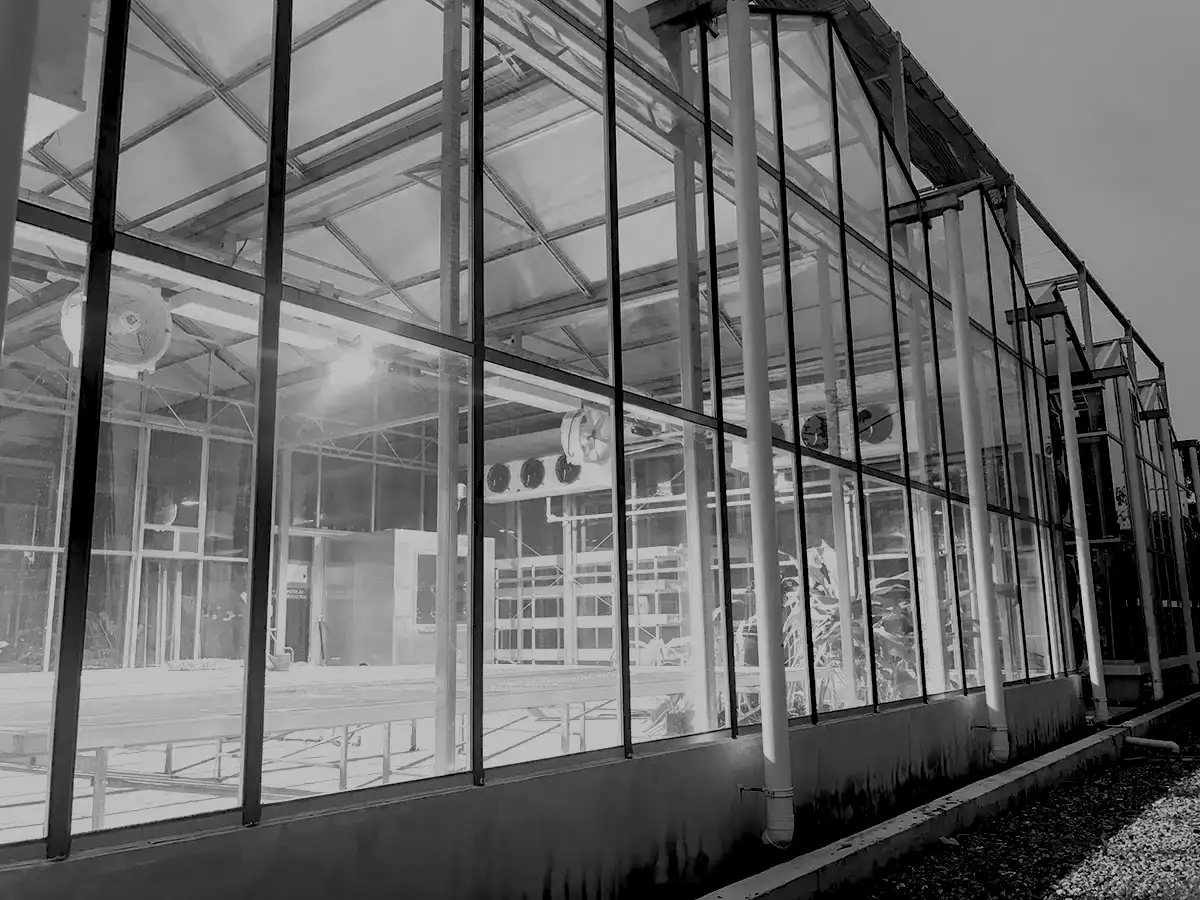
Are Greenhouses Any Good for Cannabis Production?
Yes, greenhouses can be a strong option for cannabis production, but they are not automatically the “cheap shortcut” many people assume. The real decision is not greenhouse versus indoor, it is how much environmental control you need, and what level of consistency your market demands.
A greenhouse can reduce lighting load by using the sun, but it often increases complexity in HVAC, humidity control, pest management, and seasonal planning. Indoor facilities cost more to build, but they offer tighter control, more predictable harvests, and lower risk when designed and operated well.
Below is a practical comparison, followed by the most important cost drivers people miss when they assume a greenhouse will be dramatically cheaper.
Greenhouse Cannabis Production
Pros
Natural light support
Sunlight can reduce your reliance on artificial lighting, especially during vegetative growth and in seasons with long day length.
Easier to build on agricultural land in many regions
Depending on your local zoning and permitting framework, greenhouses may be easier to approve than heavy industrial builds.
Lower initial structure cost
A greenhouse shell can be cheaper than a fully insulated, fully sealed indoor building.
Cons
Harder climate control
Greenhouses are more exposed to outdoor conditions. That means larger swings in temperature and humidity, and more equipment required to stabilize the environment.
Higher pest and pathogen pressure
Greenhouses sit closer to the natural ecosystem. Pests, spores, and plant diseases have more access points. IPM needs to be stronger and more consistent.
Seasonal inconsistency
Light intensity, day length, and outdoor humidity change through the year. Without a strong supplemental lighting and blackout strategy, harvest timing and quality can vary.
Indoor Cannabis Production
Pros
Full environmental control
Indoor facilities allow precise control over temperature, humidity, airflow, CO2, and lighting. This creates repeatability and reduces surprise variables.
Year round, predictable scheduling
Indoor production supports consistent cycles and reliable supply planning.
Higher consistency and often higher quality potential
When your environment is stable, it is easier to hit dense flower, consistent terpene expression, and reduced disease pressure, especially with strong SOPs.
Cleaner production conditions
With proper workflow, cleanable surfaces, and strong GPP practices, indoor sites can reduce pest and mold risk significantly.
Cons
Higher energy demand
Indoor cultivation can require significant HVAC and dehumidification, depending on climate, lighting strategy, and facility design.
Higher upfront build cost
Insulated construction, mechanical systems, electrical infrastructure, and environmental automation increase capital cost.
The Greenhouse Trap: Why “Cheaper to Build” Often Doesn’t Mean “Cheaper to Operate”
Many new operators assume a greenhouse saves money because it costs less to construct and uses free sunlight. The problem is that cannabis is a high performance crop. The moment you try to hit indoor style quality and consistency in a greenhouse, costs rise quickly.
Here are seven factors that commonly erase the expected savings:
1. Heat loss and heating demand
Greenhouses lose heat far faster than insulated buildings. If you are in a cooler climate, the heating cost and equipment sizing can surprise people quickly.
2. Supplemental lighting is still needed
Cannabis is extremely light hungry, especially in flower. Seasonal shifts, cloudy weeks, and short days mean growers often add significant supplemental lighting to keep production consistent. If you want premium output, you typically end up adding more lighting than you expected.
3. Cooling becomes harder
Hot days, radiant load, and solar gain can spike temperatures rapidly. Cooling a greenhouse is not the same as cooling an insulated room. It often requires more airflow management, shading, and mechanical capacity to stabilize peaks.
4. Humidity control is more challenging
Humidity swings are more aggressive when your structure is exposed to outdoor air. This can increase dehumidification requirements and elevate mold risk during critical flowering windows.
5. CO2 efficiency is limited without sealing
CO2 supplementation works best in sealed, controlled environments where you can hold target levels. In a greenhouse with high air exchange, CO2 can be far less efficient because it escapes with ventilation.
6. Pest and mold pressure is higher
Greenhouses often require stronger IPM programs and higher monitoring frequency. If you do not design for workflow, exclusion, and hygiene, pest and pathogen events can become a recurring cost.
7. Energy use can still be high
Even if lighting power is reduced, greenhouse operating costs can increase through heating, cooling, dehumidification, airflow systems, blackout systems, and supplemental lighting. The total energy picture can be more complex than expected.
The Best Way to Choose: Match the Facility to Your Market
Here is the modern way to think about it:
Greenhouse can be a great fit when
Your local climate is moderate and stable
Your product goals allow seasonal variation
You have strong IPM discipline and environmental tools
You want to leverage sun while accepting higher biological pressure
Indoor is often the better fit when
You need consistent premium flower quality
You require strict scheduling and predictable harvest windows
You want stronger control over pests, mold, and compliance readiness
Your business model depends on repeatability and uniformity
Hybrid Approaches Are Often the Sweet Spot
Many modern operations use hybrid strategies:
Greenhouse for veg and early production, indoor for controlled flowering
Greenhouse with serious environmental upgrades and supplemental lighting
Indoor for premium flower, greenhouse for biomass or specific product lines
The best solution is rarely a pure philosophy. It is usually a facility plan that matches your product targets, local climate, and financial model.
Final Takeaway
Greenhouses can absolutely produce cannabis, but they are not automatically cheaper or easier. If your target is high consistency and premium quality, you will likely invest heavily in environmental control and IPM to get there.
Indoor facilities cost more to build, but they offer the highest level of control, repeatability, and risk reduction when designed correctly.
The right choice comes down to your climate, your market, and your tolerance for variability.